
The tradition of pilgrimages in Tenerife
Index
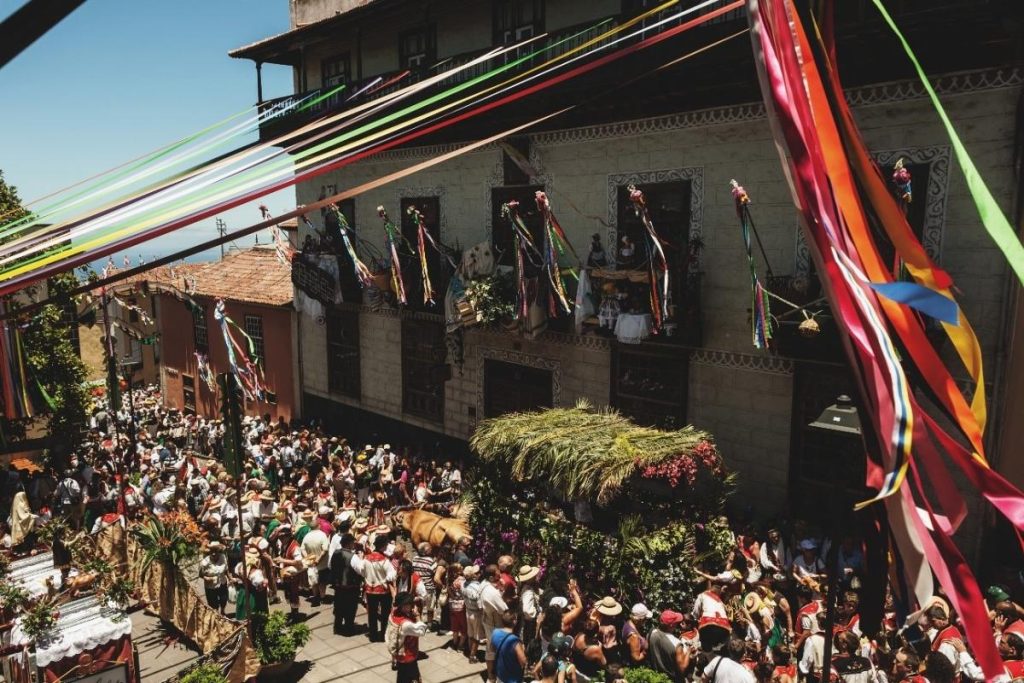
Pilgrimages in Tenerife are much more than just festivities. They are a celebration of culture, faith, and community. Every year, thousands of people dress up in traditional costumes and head to the shrines to pay homage to their patron saints. The aroma of gofio, the sound of bagpipes and shared laughter create a unique atmosphere that envelops all participants. If you’ve ever wanted to immerse yourself in this vibrant Canarian tradition, read on to find out what makes pilgrimages in Tenerife an unforgettable experience.
Pilgrimages in Tenerife
The pilgrimages in Tenerife are celebrations that combine religiosity and folklore. They are held throughout the year, but peak during spring and summer. These festivities attract both locals and tourists, becoming a true cultural spectacle.
Each pilgrimage has its own character and meaning, depending on the sanctuary to which the pilgrims are going. On many occasions, these processions are full of ancestral traditions that have endured over time. Popular music, typical dances and traditional foods make each event a unique sensory experience.
The routes chosen to walk to the sanctuaries are beautiful, surrounded by impressive natural landscapes. Participants are not only looking to pay homage to their saints; They also enjoy the outdoors and strengthen bonds with friends and family.
Traditional costumes play a fundamental role in these celebrations. Every detail tells a story and invites all attendees to immerse themselves even more in this rich Canarian cultural heritage.
Origins and meaning of pilgrimages
The pilgrimages in Tenerife have deep roots that go back centuries. Originally, these festivities were religious pilgrimages. The inhabitants of the island went to shrines to pay homage to their saints and ask for divine favors.
Over time, pilgrimages have evolved and today they are a mixture of faith and celebration. Religious devotion is still present, but festive elements that reflect Canarian culture have also been incorporated.
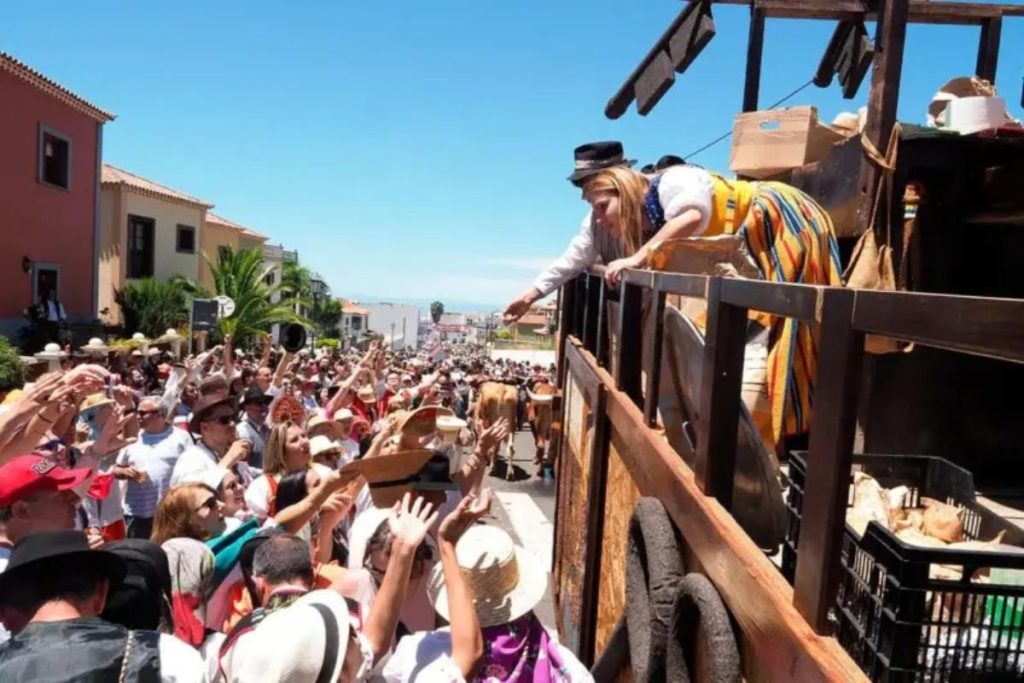
The meaning of the pilgrimages goes beyond the religious act. These are moments where the community comes together, sharing traditions, music and typical dances. Families prepare special meals and wear traditional costumes, adding a colorful touch to the event.
This cultural phenomenon highlights the local identity. Each pilgrimage has its unique character depending on the patron saint or virgin that is celebrated. Thus, every year the towns of Tenerife renew their commitment to their ancestral beliefs and customs by participating in these vibrant festivities.

The most popular festivities on the island
The most popular festivities in Tenerife are a reflection of the island’s rich cultural heritage. Each pilgrimage is celebrated with enthusiasm, attracting both locals and visitors.
One of the most outstanding is the Pilgrimage of San Benito Abad in La Laguna. This event, held in July, combines religious fervour and festive cheer. Participants wear colorful traditional costumes and bring offerings to the saint.
Another emblematic celebration is the Romería del Rocío, which takes place in the municipality of Granadilla. The devotion to the Virgen del Rocío attracts crowds who walk for miles to honor her. The vibrant atmosphere is filled with folk music and typical dances.
The Pilgrimage of Nuestra Señora del Carmen also deserves special mention. In many coastal towns, this holiday pays homage to the patron saint of sailors with breathtaking maritime processions.
Each one reflects unique aspects of Canarian traditions and creates a unique atmosphere where everyone can enjoy together. The pilgrimages are true community celebrations that unite past and present generations under the same festive spirit.
Best Places to Eat in Tenerife
If you are looking to savour the best dishes of Canarian cuisine, Tenerife is the ideal place to do so. The island has a wide variety of restaurants offering everything from traditional food to international options.
One of the most iconic places to eat in Tenerife is La Laguna, a city full of history and culture where you’ll find numerous old restaurants. You can also visit Santa Cruz and try its famous “papas arrugadas” or “mojo picón“.

How a pilgrimage is celebrated in Tenerife
The celebration of a pilgrimage in Tenerife is an event full of color and joy. The streets dress up for festivities as the participants, dressed in traditional costumes, prepare for the pilgrimage.
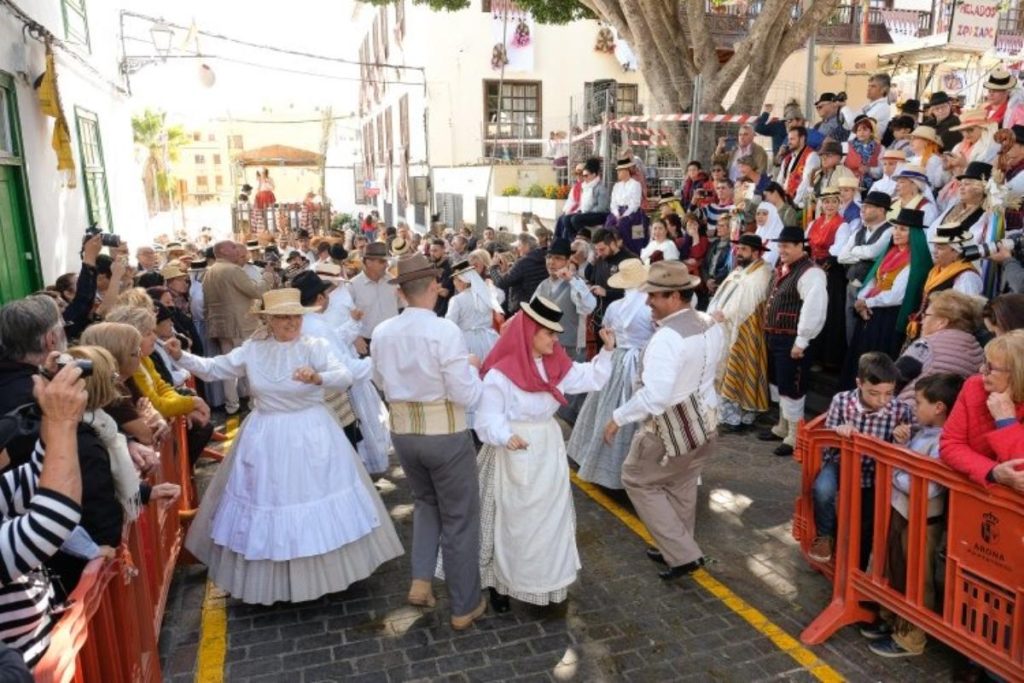
Each pilgrimage has its own route, which usually begins at a local church and ends at a shrine or sacred place. During the journey, folk music resonates everywhere. Folklore groups encourage attendees with typical dances and melodies.
Food also plays a crucial role. The pilgrims carry with them baskets full of Canarian delicacies such as wrinkled potatoes, mojo picón and local cheeses. Sharing these delicacies fosters camaraderie between friends and families.
Religious rituals are essential during the festivities. Masses are held in the open air where everyone participates with fervor and devotion to their patron saints.
In addition, every year the pilgrimages attract curious tourists who want to experience this unique tradition. The cultural mix makes these celebrations unforgettable events for locals and visitors alike.
Cultural and tourist impact of pilgrimages
The pilgrimages in Tenerife are a cultural phenomenon that transcends the religious. These festivities attract thousands of visitors each year, becoming an important source of income for the island. Tourists don’t just come for traditions; they seek to immerse themselves in the festive and vibrant atmosphere that characterizes these celebrations.
The tourist impact is remarkable. The towns where the pilgrimages are held experience a significant increase in hotel occupancy and local commerce. Restaurants, bars and shops take advantage of this influx to offer typical products and unique experiences.
In addition, the pilgrimages are a perfect opportunity to show the Canarian culture to the world. Folk music, traditional dances, and colorful costumes create an exciting visual spectacle that leaves its mark on locals and foreigners alike.
Preserving these traditions also strengthens the collective identity of the people of Tenerife. With each celebration, cultural values are passed on to new generations, ensuring that the legacy of the pilgrimages endures over time. This intertwining between tourism and culture is essential to keep alive these customs that are so deeply rooted in Canarian society.
Conclusion
The pilgrimages in Tenerife are a living manifestation of Canarian culture. These festivities not only attract locals, but also tourists looking to experience the authenticity of island traditions. Each pilgrimage has its own charm and peculiarities, making each celebration unique and unrepeatable.
The preparation for these festivities is an experience in itself, where traditional clothing and typical food play a fundamental role. Music and dancing fill the streets, creating a festive atmosphere that invites everyone to participate.
The cultural impact of the pilgrimages goes beyond the visual; they represent a deep link between the inhabitants of Tenerife and their historical roots. In addition, they have become an important tourist attraction that enhances local economic development.
To experience a pilgrimage is to immerse yourself in a rich tradition, full of color and joy. It is an opportunity to connect with history, enjoy Canarian folklore and savour delicious typical dishes. Without a doubt, the pilgrimages are one of the most valuable cultural treasures of Tenerife that deserves to be preserved and celebrated year after year.