
Where to see Cetaceans in Tenerife: Whale Watching Guide
Index
Tenerife, the largest island in the Canary archipelago, not only stands out for its beaches and volcanic landscapes, but also for the richness of its marine life. Among the most fascinating attractions for tourists and nature lovers is whale watching in Tenerife, an experience that combines the excitement of watching dolphins and whales in the wild with the beauty of the Atlantic Ocean. Tenerife’s geographical location, between Europe and Africa, together with the warm sea currents, creates an ideal environment for various species of cetaceans to reside or transit its waters throughout the year.
Whale watching has become one of the most popular activities among those who visit the island, as it allows you to enjoy unique moments with your family or partner, while promoting awareness of the protection of these marine species. In addition, most tours combine whale watching with exploring stunning cliffs and beaches, such as the famous Los Gigantes cliffs. Keeping in mind the importance of respecting their habitat and following the recommendations of the guides ensures that the experience is safe and sustainable for both visitors and animals.
In this guide, we will take you to know the most common species, the best areas and seasons for their sighting, as well as practical tips to make the most of the experience. Thus, you can plan an unforgettable trip focused on cetaceans in Tenerife, learning to recognize each species and appreciate the magnitude of the island’s marine life.
Main species of cetaceans in Tenerife
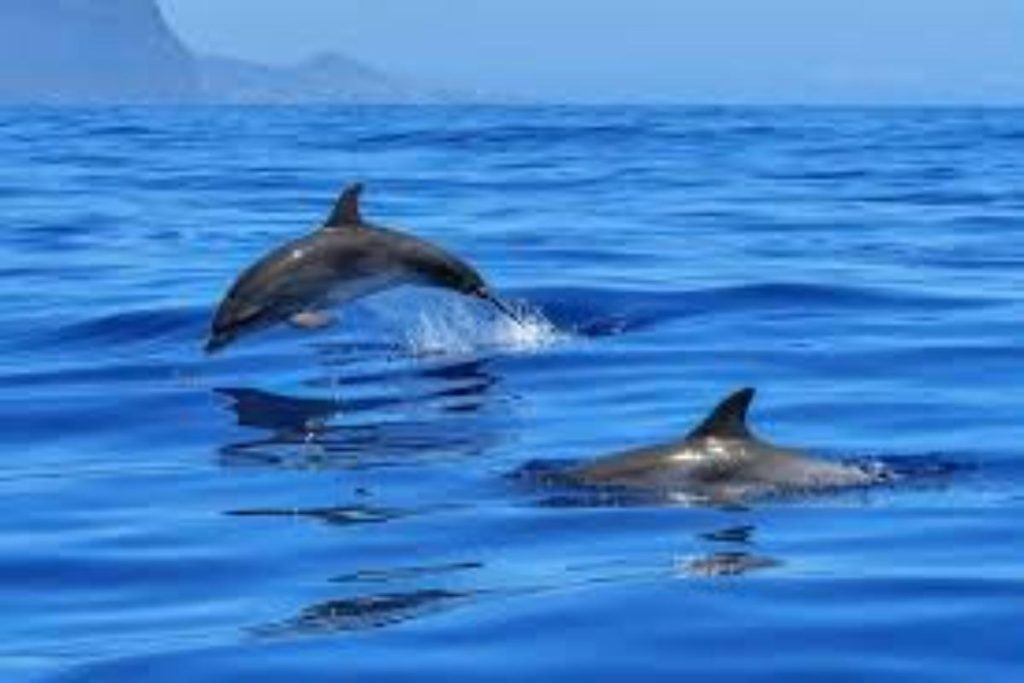
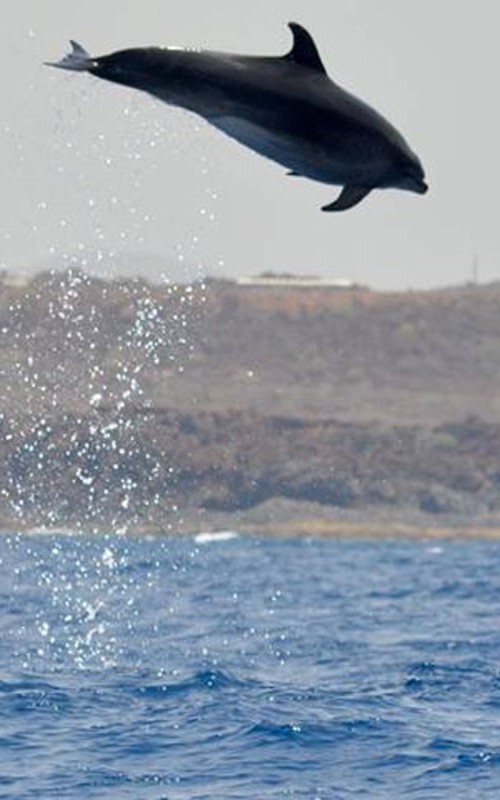
When we talk about cetaceans in Tenerife, we are mainly referring to dolphins and whales that inhabit or transit its waters. Among the most common are bottlenose dolphins, common dolphins and pilot whales. Bottlenose dolphins are perhaps the most emblematic for their playful behavior and tendency to approach boats. Common dolphins, on the other hand, usually form large groups and can be observed performing acrobatic jumps on the surface of the water.
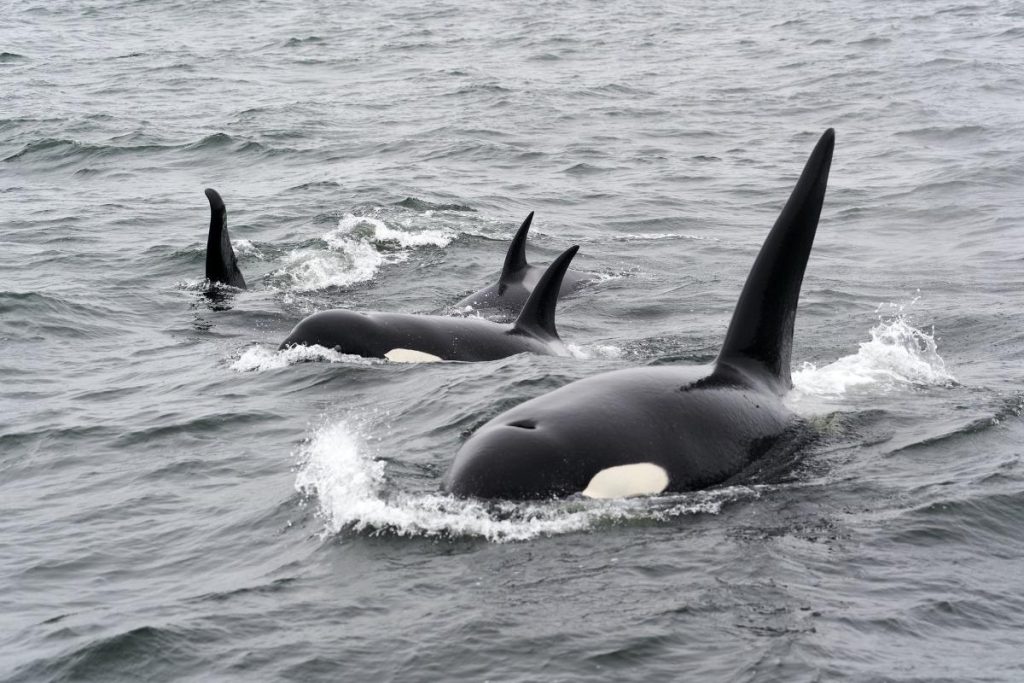
Another prominent species is the pilot whale, known for its black features and sociable behavior. Although they are not as frequent as dolphins, their presence is highly valued by tourists due to their size and majesty. In addition, it is possible to spot other species such as the fin whale or even some types of killer whales, although more sporadically.
Knowledge about these species allows specialized tours to offer detailed information about their habits, migrations and diet. Thus, visitors not only enjoy the visual spectacle, but also learn about the importance of conserving these animals and their marine environment. Recognizing each species and its behaviors increases the satisfaction of the experience, making whale watching in Tenerife an educational and entertaining activity.
Best areas to see cetaceans in Tenerife
Tenerife has several ideal areas for whale watching in Tenerife, thanks to its deep coasts and sea currents that attract various species. Among the most popular is the coast of Los Gigantes, famous for its imposing cliffs and clear waters that facilitate the visibility of cetaceans. From here, boats depart regularly on whale-watching excursions and visitors have a high chance of seeing dolphins and pilot whales.
Another outstanding area is Costa Adeje, in the south of the island, where you can find numerous tour operators specializing in sighting tours. Puerto Colón, within the same area, offers catamaran and smaller boat departures, ideal for those looking for a more intimate experience and closer to the sea. In the northeast, although less frequented, the area of Puerto de la Cruz also allows interesting sightings, especially in times of migration of some species.
Each of these zones offers unique conditions. For example, Los Gigantes combines spectacular views with a high concentration of cetaceans, while Costa Adeje offers more comprehensive tourist services and amenities on board. Choosing the right area depends on the visitor’s preferences and the type of experience you are looking for, but in all of them it is possible to enjoy close contact with cetaceans in Tenerife in a safe and respectful way.


Best time of year for sightings
Whale watching in Tenerife can be done all year round, thanks to the mild climate and the relatively stable waters of the Atlantic. However, there are periods that offer better probabilities of observing certain species. The peak cetacean season usually coincides with the spring and summer months, when sea conditions are calmer and visibility is optimal.
During these months, bottlenose dolphins and pilot whales are more active and easier to spot, while some migratory species, such as certain types of fin whales, can be seen during their passage through the island. In addition, the autumn and winter months also offer interesting opportunities, especially for those looking for quieter and less crowded experiences, although the sea can be somewhat rougher.
It is important to consider that the activity of cetaceans depends on natural factors such as ocean currents, the availability of food and the presence of boats. Therefore, it is recommended to book excursions with specialized operators who know the behavior patterns of the animals, thus increasing the chances of success in whale watching in Tenerife.
Types of excursions and tours available
There are multiple options to enjoy whale watching in Tenerife, adapted to different tastes and budgets. Traditional boat tours offer the most classic experience, with expert guides providing insight into the species and marine ecosystem. Catamarans, on the other hand, allow a faster and more comfortable movement, with large decks to observe the animals from different angles.
Private excursions are ideal for those looking for a more exclusive contact with nature, being able to adjust the duration and route of the tour. There are also conservation-focused eco-tours, which teach participants about the importance of protecting marine habitats and the species that inhabit them.
In addition, some companies combine the sighting with other tourist activities, such as snorkeling, cliff visits or gastronomic tastings on board. Whichever option is chosen, it is essential to select certified and responsible operators, who respect safety and sustainability standards, thus guaranteeing an enriching and safe cetacean experience in Tenerife.
Safety and sustainability tips
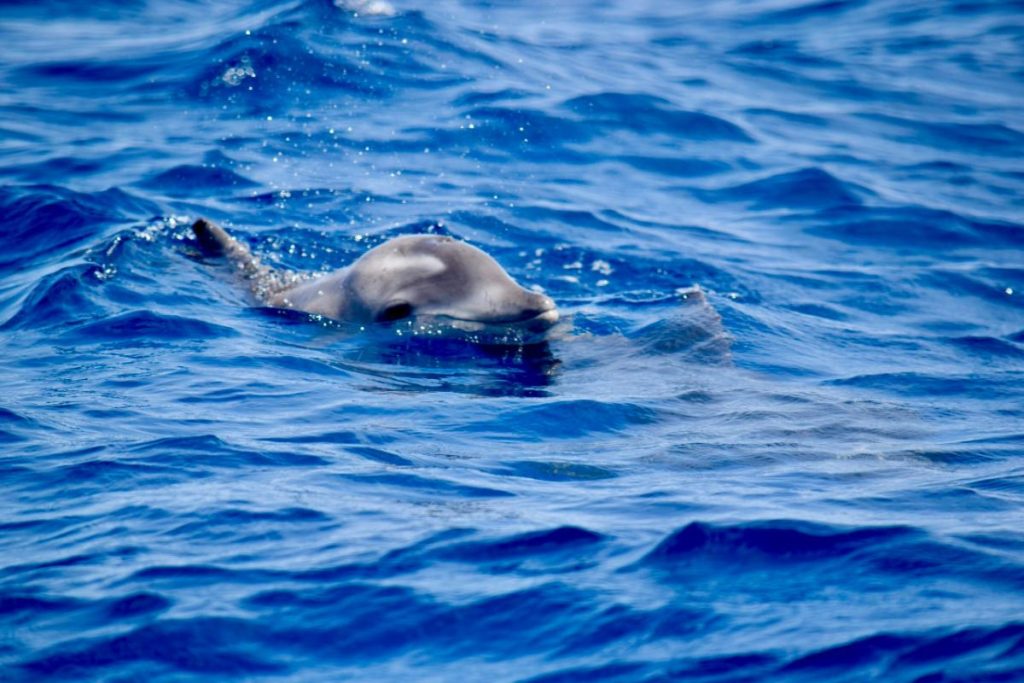
Respect for marine fauna is essential to enjoy whale watching in Tenerife responsibly. The basic rules include keeping a safe distance from the animals, avoiding loud noises that can stress them out and not feeding the cetaceans. Following the instructions of the guides ensures that the activity does not affect the animals’ natural behavior.
Sustainability also involves choosing operators who are committed to conservation, who use vessels with low environmental impact and respect maritime regulations. Many excursions inform visitors about the biology of cetaceans and the importance of protecting their ecosystems, encouraging conscious tourism.
In addition, it is advisable to use biodegradable sunscreen and avoid plastics or waste that may fall into the sea. These small gestures contribute to the preservation of the species and ensure that future generations can also enjoy whale watching in Tenerife in optimal conditions.
How to prepare your sighting experience
Properly preparing for whale watching in Tenerife maximizes the experience and ensures comfort and safety. It is advisable to wear comfortable clothes and light layers, as the temperature can vary depending on the proximity to the sea and exposure to the wind. In addition, binoculars and zoom cameras allow you to observe details of the animals without getting too close.
It is advisable to bring water, sunscreen and a light snack, especially on excursions that last several hours. Listening carefully to the guide’s directions and being prepared for possible boat movements will make the experience more enjoyable. It is also useful to learn about the species that can be spotted and their behaviors, which allows you to better identify dolphins or whales and appreciate their interactions.
By combining these preparations with a respectful attitude towards the environment and animals, it ensures that whale watching in Tenerife is memorable, educational and safe, leaving indelible memories of the beauty of the Atlantic Ocean and its inhabitants.
Conclusion
Whale watching in Tenerife is a unique experience that combines tourism, nature and learning. From acrobatic dolphins to majestic pilot whales, the island offers exceptional opportunities to observe marine life in its natural habitat. Choosing the right area, the right season and a responsible tour guarantees that the experience is satisfactory and respectful of the ecosystem.
Preparing with the right clothing and equipment, following safety and sustainability regulations, and learning about the species, enriches the visit and allows you to fully enjoy cetaceans in Tenerife. In addition, this activity promotes ecological awareness and admiration for the marine biodiversity of the island, becoming an indelible memory for tourists of all ages.
In short, if you are looking for an adventure that combines nature, excitement and learning, whale watching in Tenerife is an essential option. Plan your excursion, choose responsible operators and get ready to live unforgettable moments in front of some of the most amazing animals in the Atlantic Ocean.